
Recrutement en Simulation 3D & Environnements Virtuels
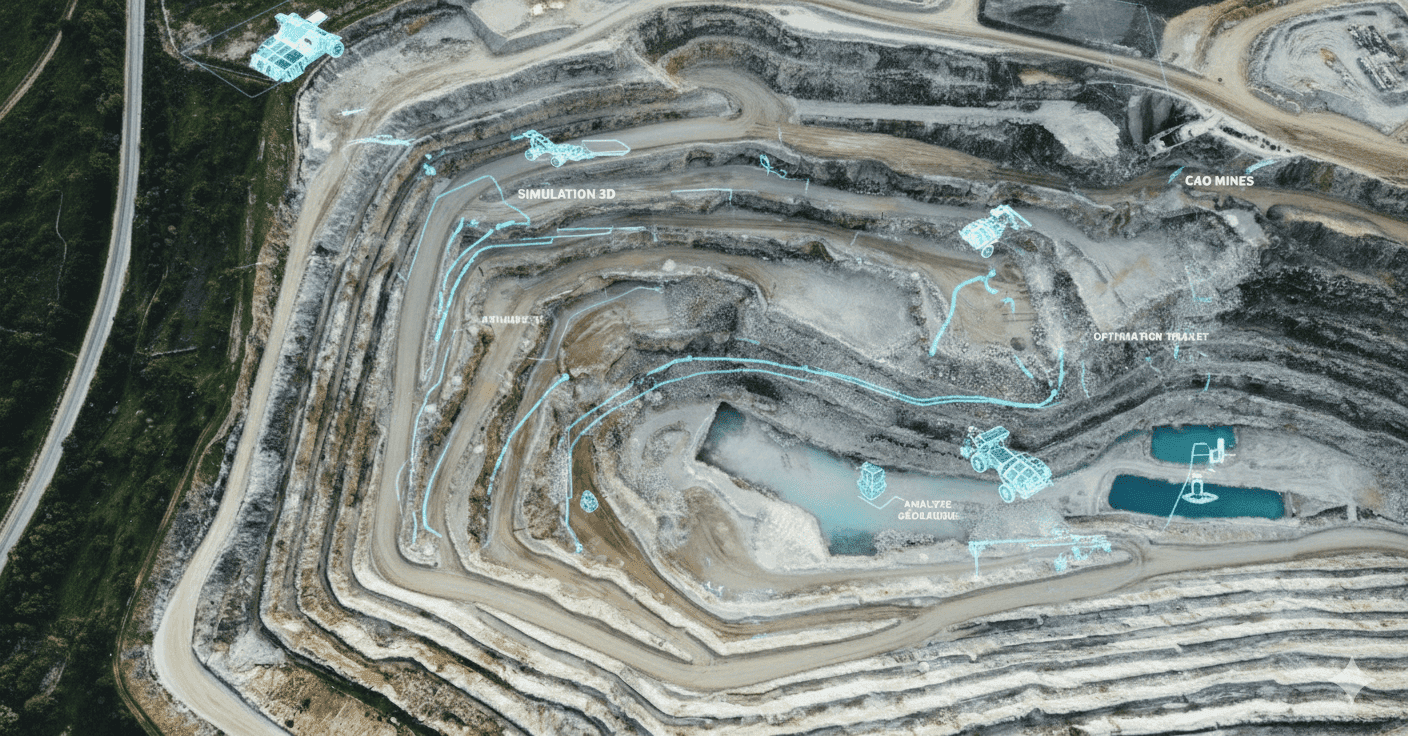
La Simulation 3D au Cœur de l'Innovation Industrielle
La simulation 3D est devenue un pilier stratégique pour de nombreux secteurs : aéronautique, défense, automobile, médical et formation professionnelle. Les moteurs de rendu temps réel, les jumeaux numériques et les environnements de réalité virtuelle permettent de tester, valider et former avec une précision et un réalisme inégalés. Stackjobs regroupe les meilleures opportunités pour les experts de la 3D temps réel.
Profils Recherchés sur Stackjobs
Stackjobs centralise les offres d'emploi pour les profils tech les plus recherchés dans ce secteur : Développeur moteur 3D / rendu temps réel (C++, GLSL) Ingénieur Unreal Engine / Unity spécialisé simulation Expert shaders et pipeline graphique (OpenGL, Vulkan, DirectX) Ingénieur simulation physique (PhysX, Havok) Développeur jumeaux numériques Spécialiste VR/AR pour applications industrielles
Technologies & Standards Clés
Les offres publiées sur Stackjobs couvrent un large spectre technologique : Moteurs : Unreal Engine 5, Unity, Godot API graphiques : OpenGL, Vulkan, DirectX 12, Metal Physique : PhysX, Bullet, Havok Langages : C++, C#, Python, HLSL/GLSL VR/AR : OpenXR, SteamVR, Meta SDK Formats : FBX, glTF, USD (Universal Scene Description)
FAQ
Quels secteurs utilisent la simulation 3D ?
Principalement l'aéronautique, la défense, l'automobile, le médical (formation chirurgicale), l'industrie (formation opérateurs) et l'architecture. Ces secteurs recrutent activement des ingénieurs 3D.
Quelle différence entre simulation et jeu vidéo ?
La simulation industrielle exige précision physique, latence ultra-faible et certification. Les compétences sont proches (Unreal, Unity, C++) mais les contraintes métier sont spécifiques à chaque domaine.
Faut-il maîtriser un moteur spécifique ?
Unreal Engine 5 domine la simulation haute fidélité. Unity est très présent en formation et médical. Certaines entreprises utilisent des moteurs propriétaires en C++/OpenGL.